Hobbies
My diverse engagement in hobbies specifically Chess, Writing, and Music has cultivated a robust set of cognitive and analytical skills that are directly transferable to the rigorous demands of engineering and the professional workplace.
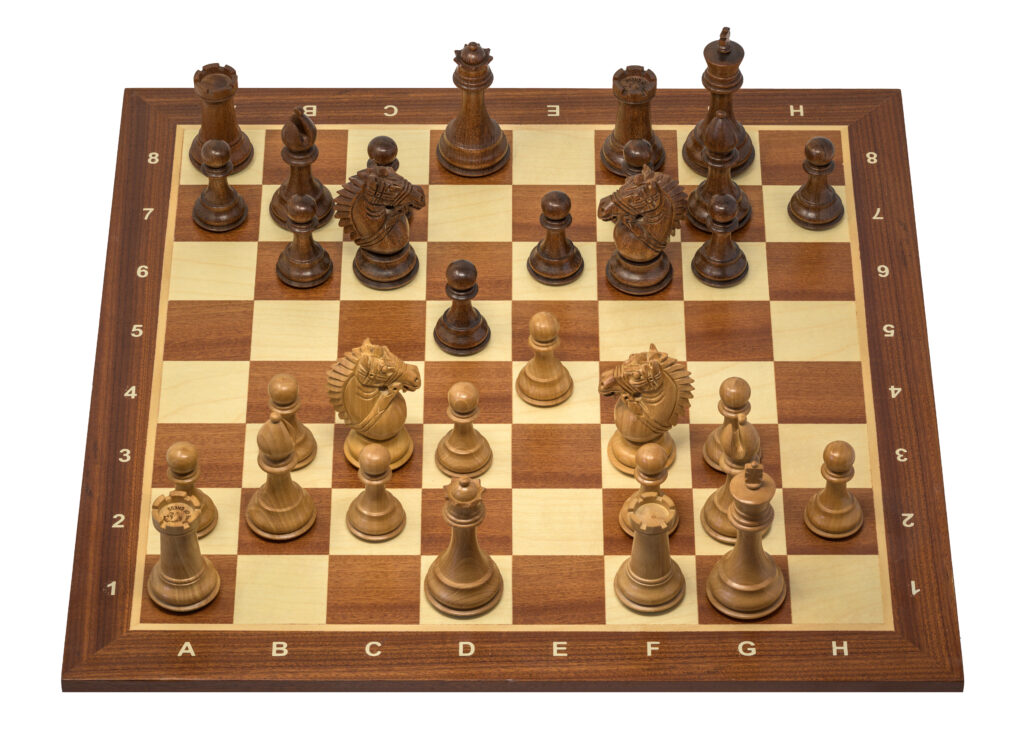
Chess
I have been practicing Chess since the age of seven and have participated in several regional competitions. Far beyond a simple pastime, Chess is a powerful cognitive tool that instills highly valuable, transferable skills essential for my engineering studies and apprenticeship.
The game demands looking several moves ahead, evaluating possible outcomes, and anticipating the opponent’s strategy which is a process that directly mirrors engineering project management, where one must forecast technical challenges, assess resource allocation, and plan implementation phases well in advance. Crucially, Chess also cultivates patience and discipline; the methodical calculation required before executing a critical move translates directly into the systematic approach necessary for debugging, troubleshooting complex electrical systems, and managing long-term industrial projects without rushing to premature conclusions.
Writing
I have a deep passion for writing which has led me to participate in major international competitions, including the contest organized by The Goi and Peace Foundation in Japan on the theme “Letter to Myself in 30 years,” and the French AECiut competition “Le Coup de la Liberté,” where I was a finalist, ranking among the best texts out of over 250 submissions.
Writing serves as a vital process for translating abstract thoughts into clear, structured ideas, fostering the essential human element of my personality by allowing me to tell stories and share perspectives that might otherwise go unheard. These skills are highly transferable to engineering, particularly in technical communication: the ability to construct a compelling narrative is crucial for structuring technical reports, writing concise specifications, and delivering persuasive presentations to both technical peers and non-technical stakeholders.

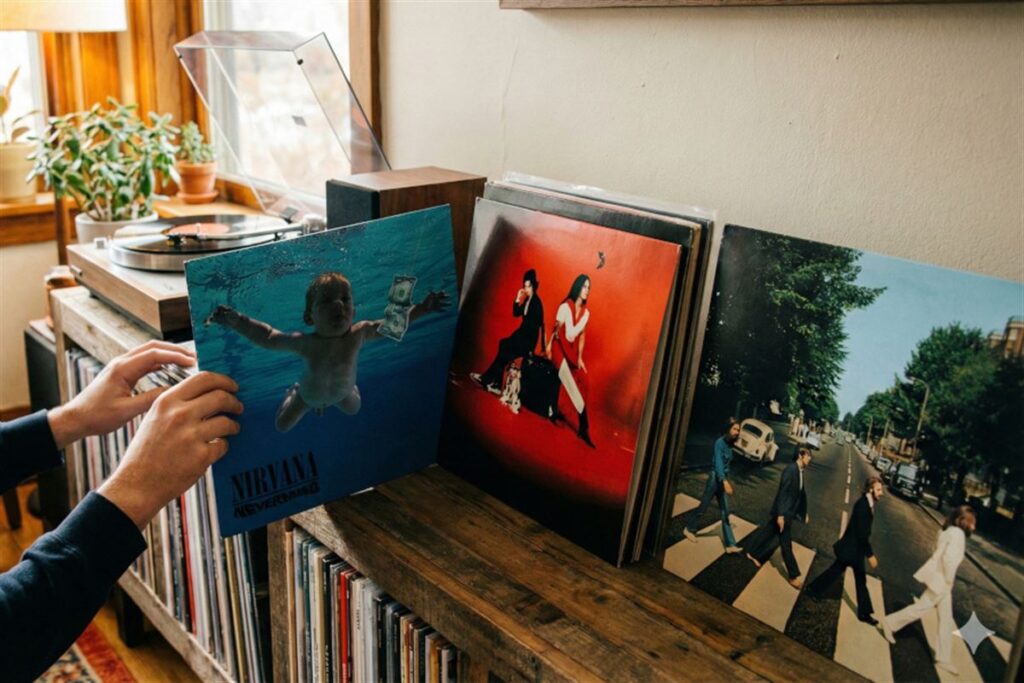
Music
My lifelong passion for music, which began in childhood and led to my participation in various school-era bands, now intersects fascinatingly with my engineering curriculum. While my focus has shifted from performance to active listening, I now apply my Electronics competencies to understand the intricacies of Audio Engineering. This intellectual curiosity involves studying how electrical principles are used in signal processing, amplification, and sound reproduction, providing a real-world application for my coursework.
Complementing this technical interest is my enjoyment of collecting vinyl records. My collection includes both rare and beloved sounds, connecting me to the rich history of recorded music and the analog technology behind it. This pursuit combines artistic appreciation with a hands-on understanding of electro-mechanical systems, reinforcing the foundational electrical and acoustic theories that underpin high-fidelity audio.
Transferrable Skills: Hobbies -> Electrical Engineering
Click on a skill below to learn more about it!
Cross-Cultural Communication
My passion for writing requires the necessity of being able to express my ideas in English and French, rather than my native language Portuguese. It brings a profound hability to communicate in multicultural environnement, which is necessary for collaborating effectively in multinational teams adapting communication styles, and ensuring project success across different linguistic and cultural settings.
Teamwork
The team is who ultimately wins and each and every member is crucial. There will always be difference in opinion and personality on any team, but you must all work together and respect one another to achieve a common goal. Similarly, electrical engineering is almost always done in groups. It is important to be open minded and collaborative to come up with a solution that is better than what could be achieved individually!
Leadership
Throughout my years on different sports, I have learned that leadership is not one size fits all. Some people are vocal leaders while some lead through actions and others embody a mix of the two. As such, I have developed my own personal leadership style, which often changes given the context. In a work setting, I believe my experience of being both a leader and a follower will allow me to seamlessly know when to be more assertive and when to be a learner.
Strategic Planning & Foresight
My dedication to chess instills a powerful dual competency for my engineering career. First, it directly cultivates strategic planning and foresight the necessity of evaluating outcomes multiple moves ahead is essential for forecasting technical challenges, planning resource allocation, and rigorously assessing the long-term viability of complex designs.
Second, the discipline of squeezing every second out of each game to avoid losing on time translates directly into efficiency and focused task completion in a work environment. This practice ensures I completeip assignments and projects with a high degree of efficiency, which is critical for meeting the demanding timelines of an engineering apprenticeship.