Installation of a Photovoltaic Power System

Context

This academic project focused on the complete design, sizing, simulation, installation, and commissioning of a photovoltaic carport located on the parking area of the IUT de l’Indre in Châteauroux. The project was carried out as part of the second year of my Bachelor’s degree in Electronics & Electrical Engineering, with the objective of creating a fully functional educational photovoltaic platform, allowing students to understand all stages of a real PV project—from preliminary studies to system commissioning and performance analysis.

Objective

The installation needed to be accessible, safe, and representative of a real grid-connected photovoltaic system. The main objectives were:

  • to design a grid-connected photovoltaic carport,
  • to dimension all electrical and mechanical components,
  • to simulate energy production using professional software tools,
  • and to carry out the installation and commissioning of the system.

Installation Site Overview

The photovoltaic installation was designed for a dedicated outdoor area within the IUT de l’Indre campus in Châteauroux.

Site Analysis and Preliminary Studies

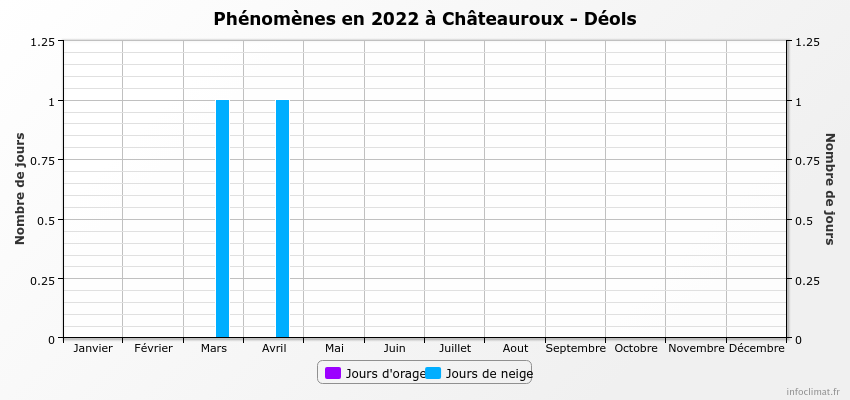
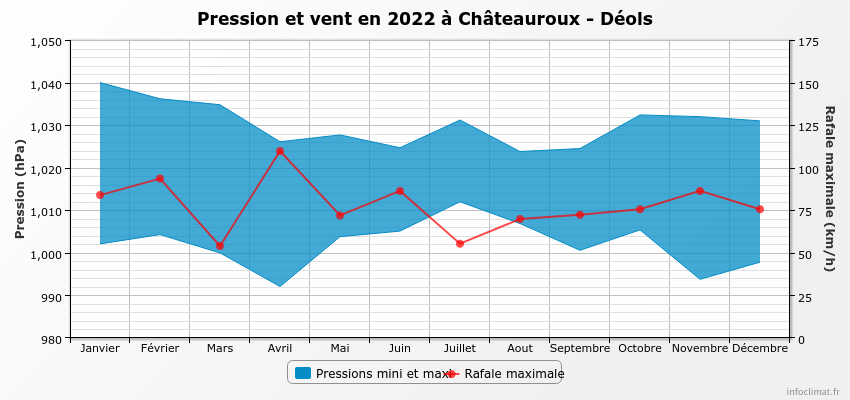
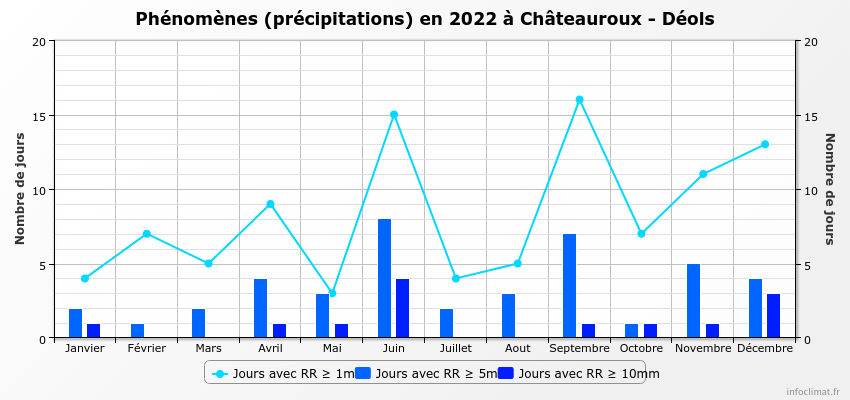
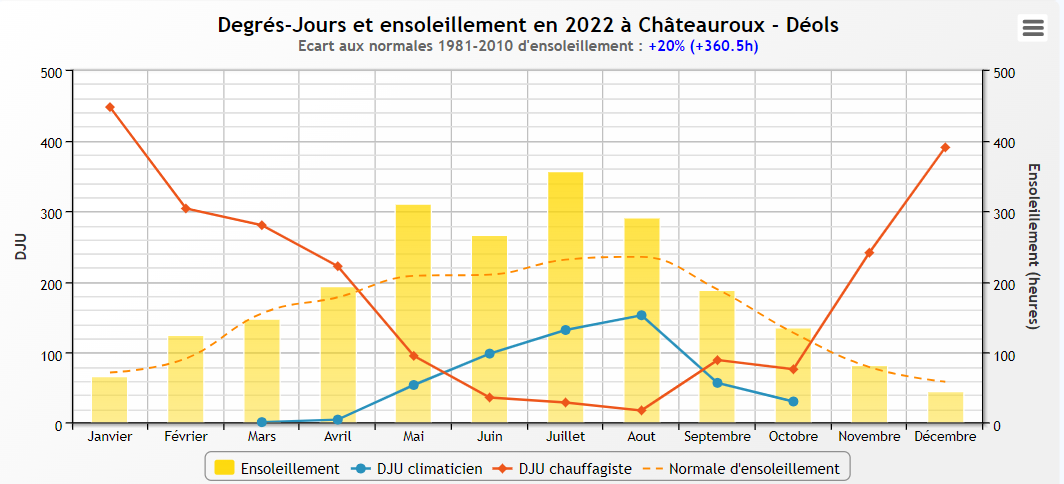
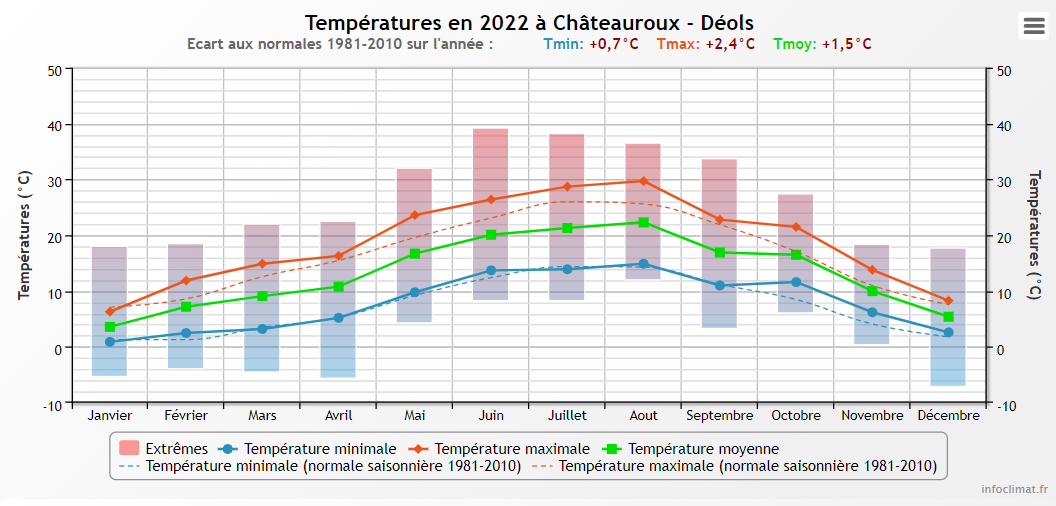
A detailed study of the implantation site was then conducted. This phase involved identifying the geographical location, available surface area, and environmental conditions of the parking lot chosen for the installation. Meteorological data such as solar irradiation, temperature variations, wind exposure, and precipitation levels were analyzed to evaluate their impact on system performance. This preliminary study confirmed that the site was well suited for solar energy production in the Centre-Val de Loire region.


3D Modeling of the Carport Structure

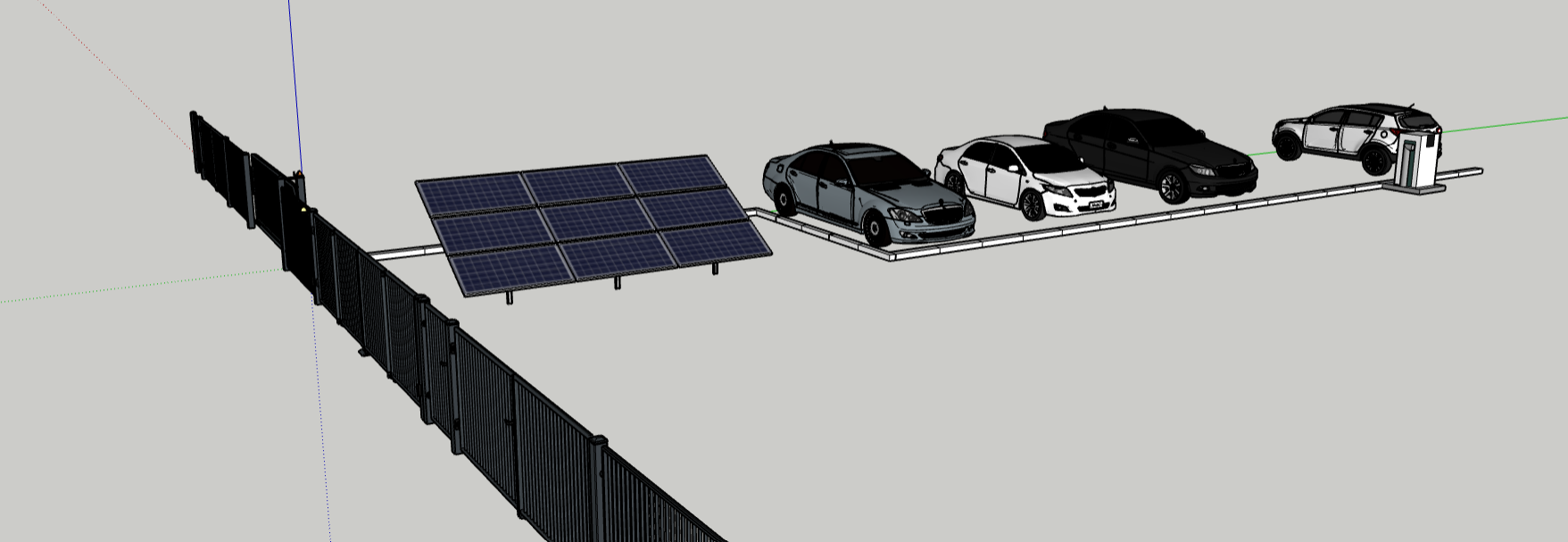
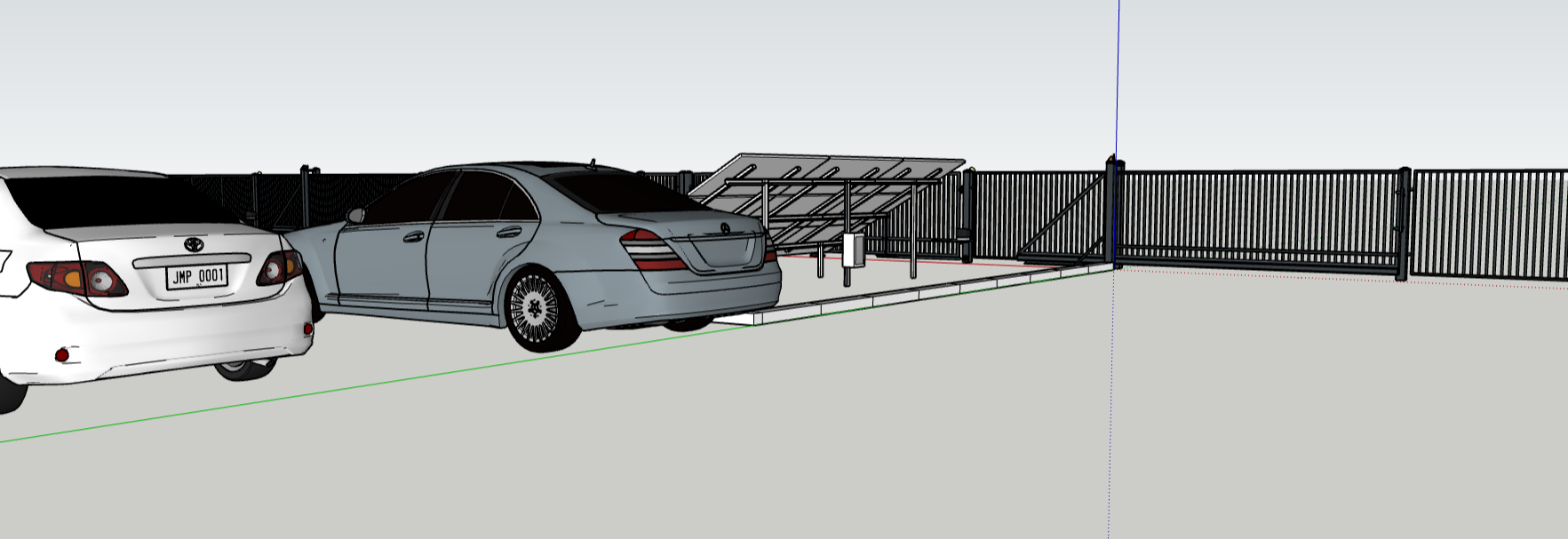
The project then moved into the modeling and simulation phase. A full 3D model of the photovoltaic carport was created using Google SketchUp in order to accurately represent the physical structure and assess spatial constraints. Energy production simulations were carried out using Archelios Pro, incorporating local meteorological data, system orientation, and shading conditions. Electrical verification and consistency checks were performed using Archelios Calc and Sunny Design, allowing validation of the design choices and estimation of the expected annual energy yield.

Sizing and Energy Production Simulation

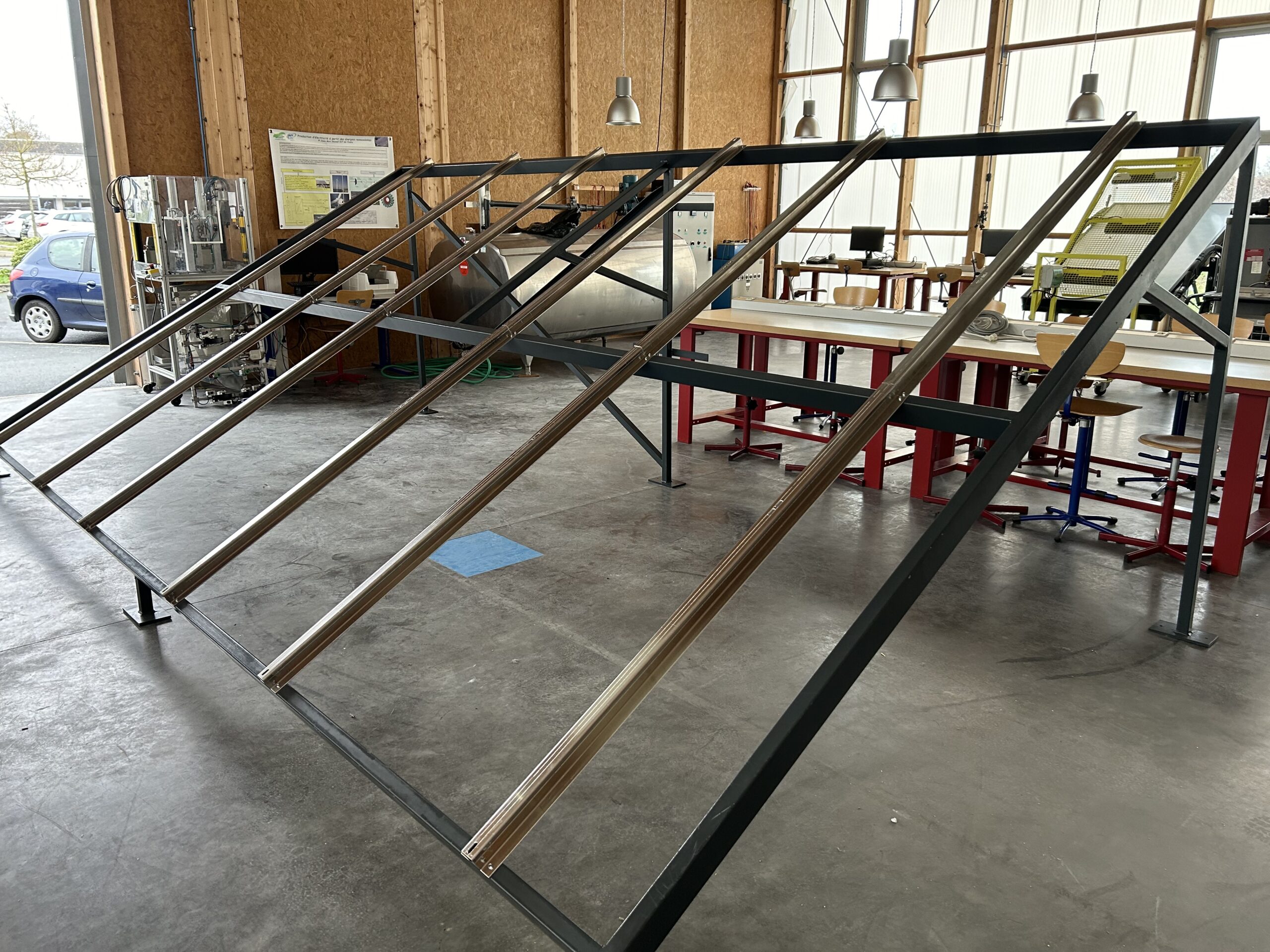
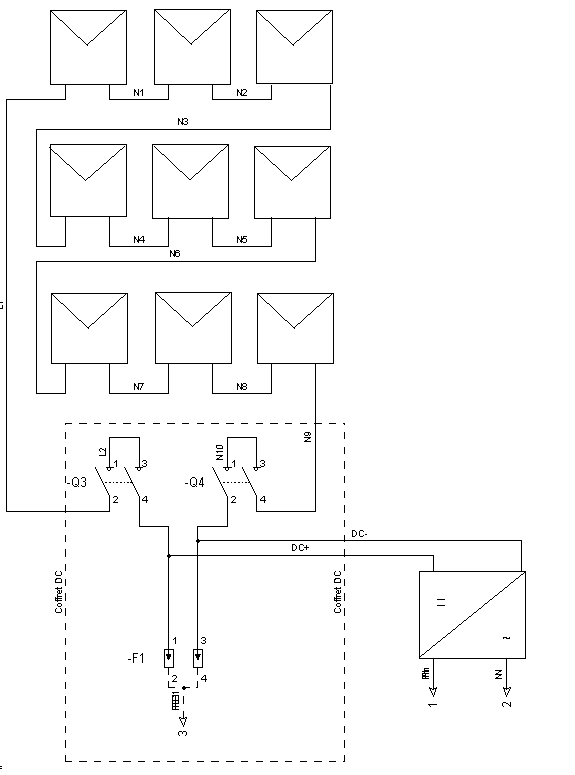
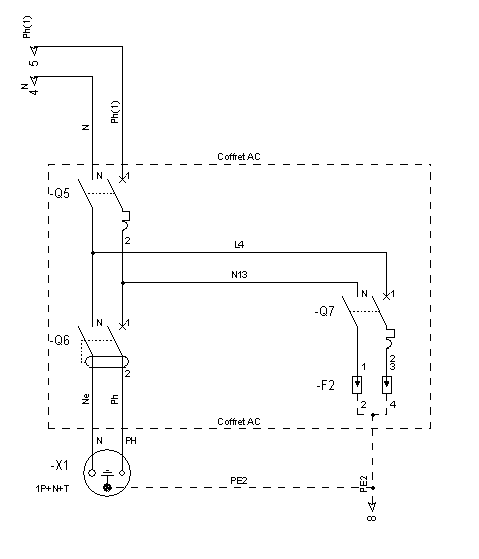
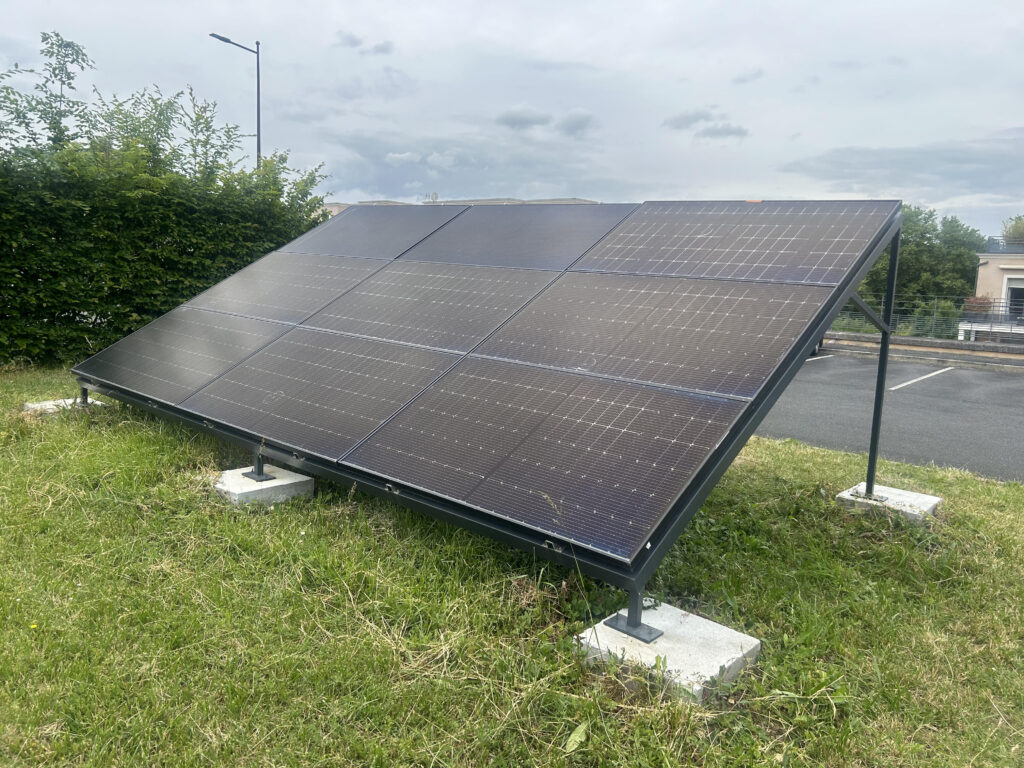
Once the site characteristics were validated, the system design and dimensioning phase was carried out. The photovoltaic installation was designed with a total peak power of approximately 3.24 kWp, based on nine monocrystalline photovoltaic modules rated at 360 W each. The modules were mounted on an aluminum ground-mounted structure oriented due south with a tilt angle of 30°, ensuring near-optimal annual energy production. All components of the DC and AC electrical architecture were dimensioned, including string configuration, inverter selection, cable sections, and protective devices, in compliance with UTE C15-712-1 standards. The SMA Sunny Boy 2.5 inverter was selected following detailed voltage, current, and power compatibility calculations.


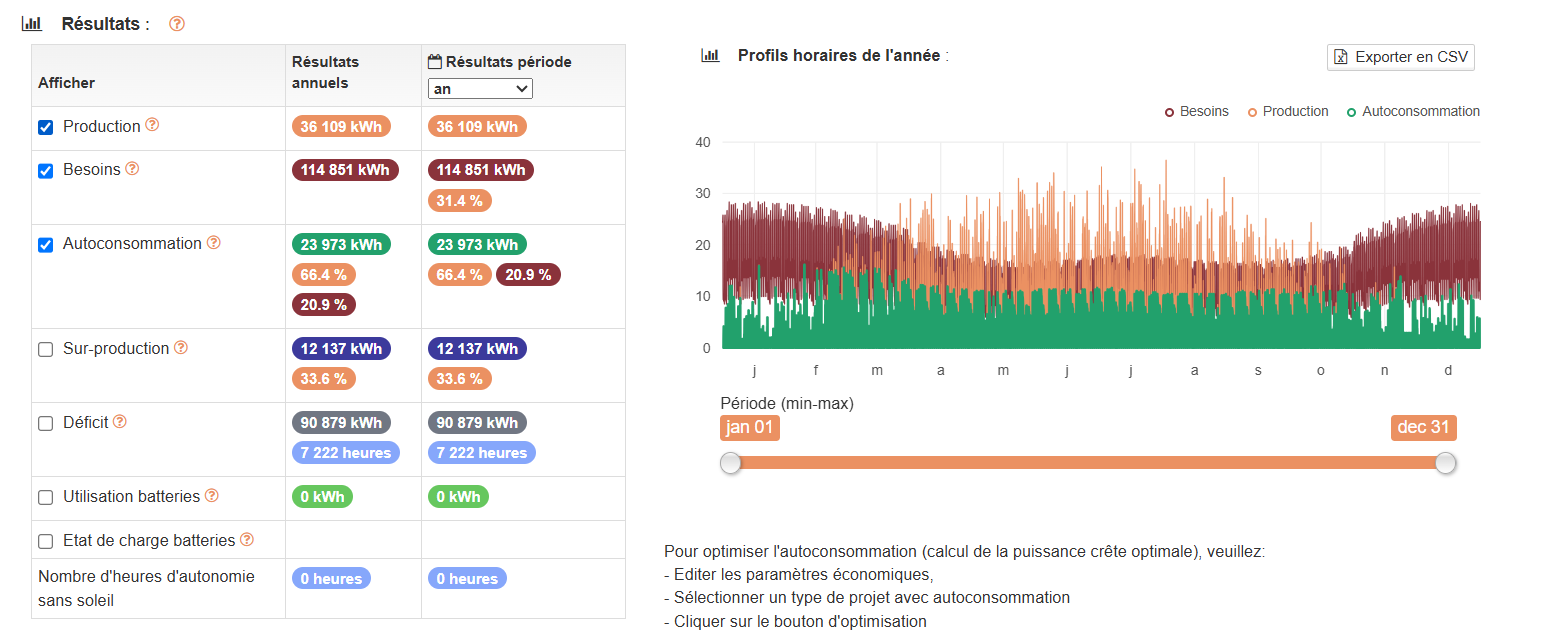
Annual energy production and self-consumption results based on the university’s energy demand profile

Civil Engineering and Foundations

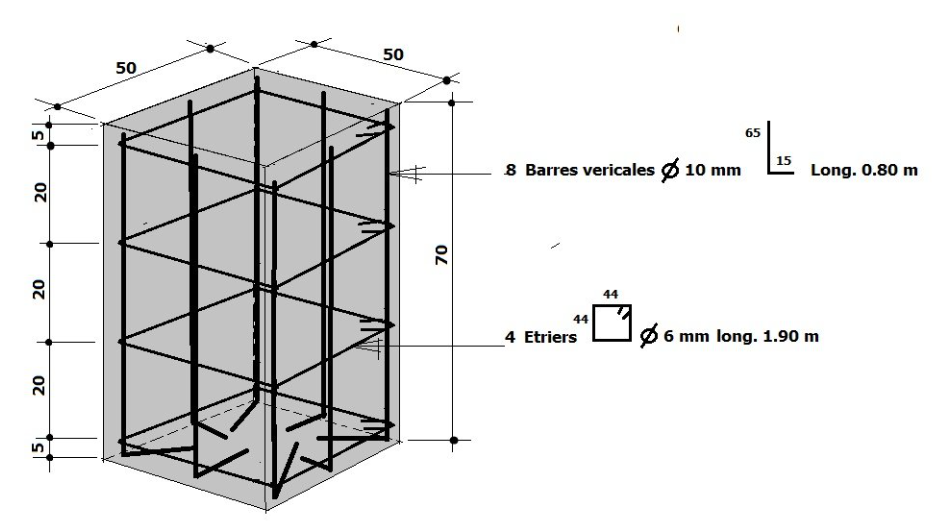
The civil engineering phase focused on designing and building reinforced concrete foundations to ensure the stability and durability of the photovoltaic structure. The foundations were positioned with precise spacing to match the structural layout and guarantee proper load distribution. Each footing was carefully dimensioned to withstand permanent loads from the structure and solar panels, as well as variable environmental loads such as wind. Reinforcement cages composed of vertical steel bars and stirrups were designed and installed to provide adequate resistance to mechanical stresses, while respecting concrete cover and anchoring requirements. Once poured and cured, these foundations formed a stable and reliable base for the installation of the supporting structure.
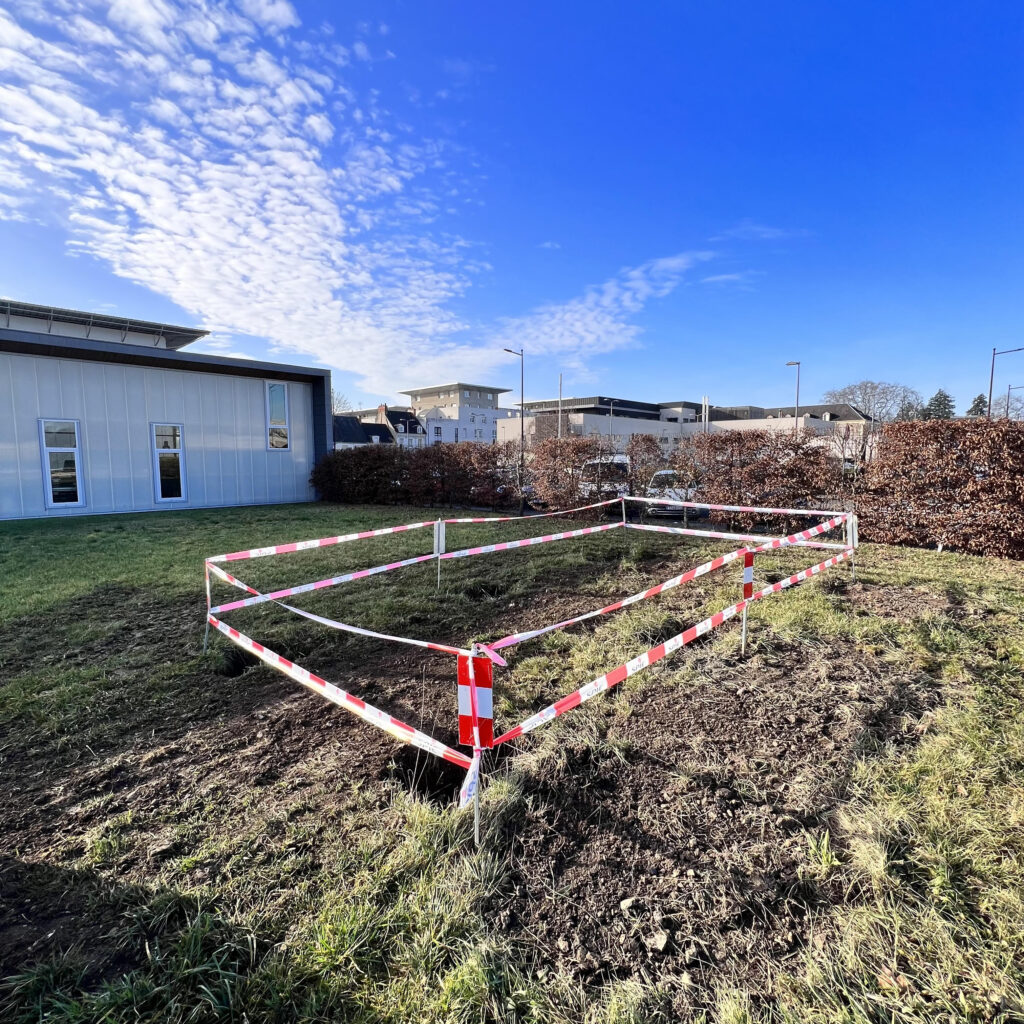
 

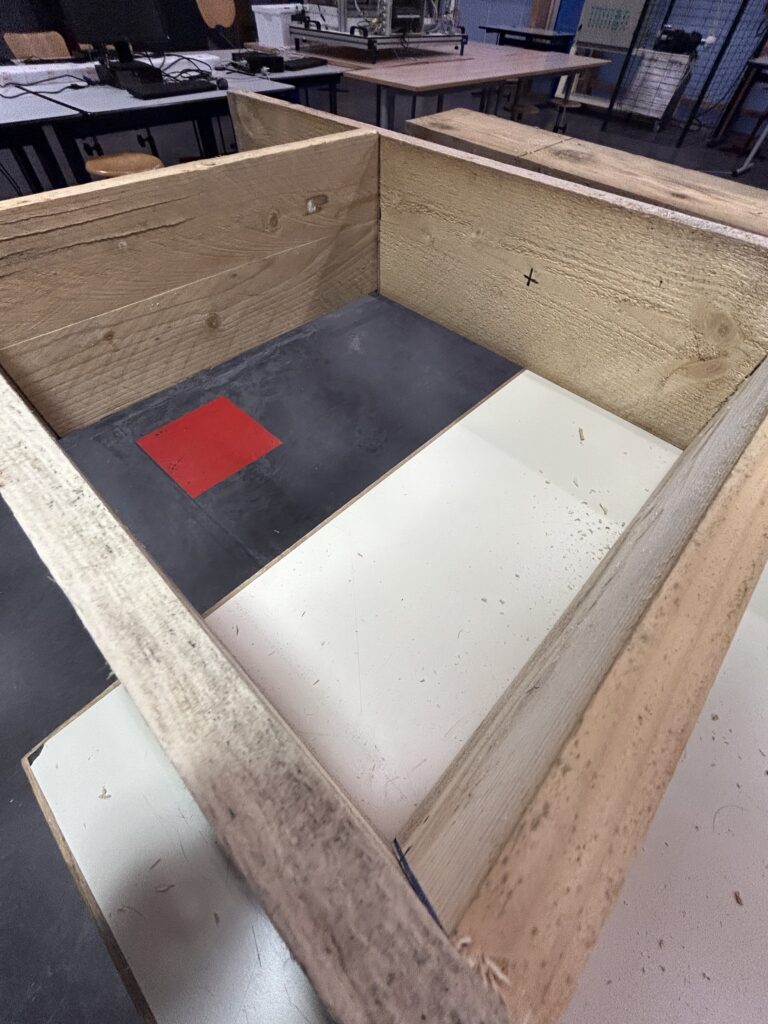
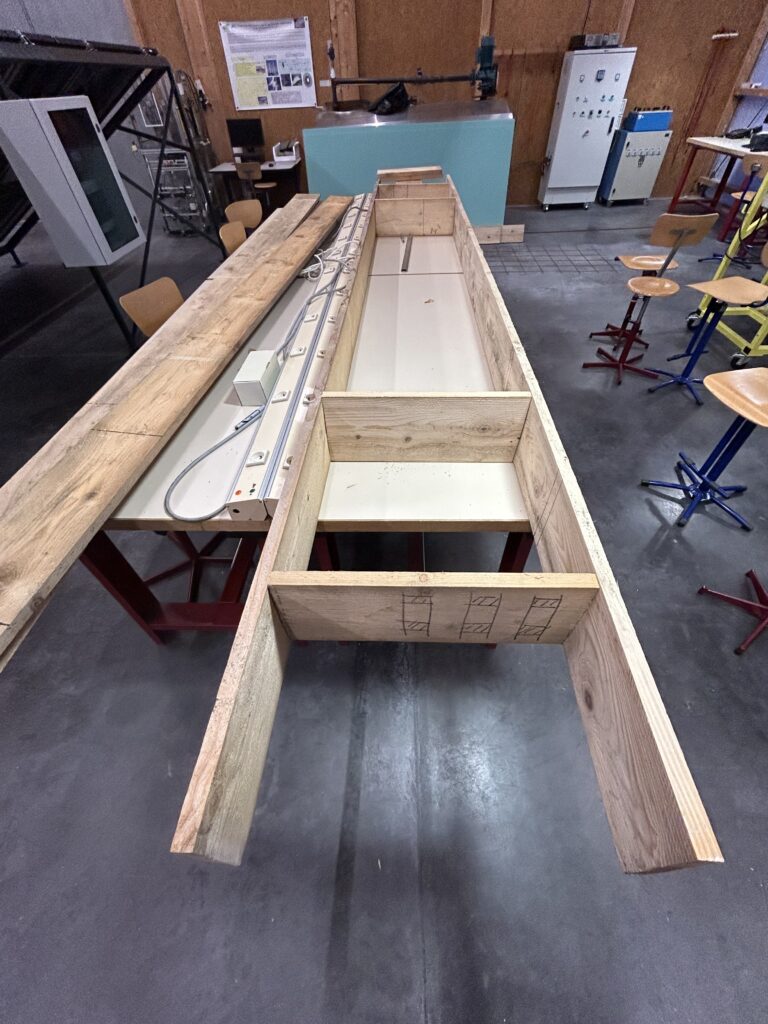
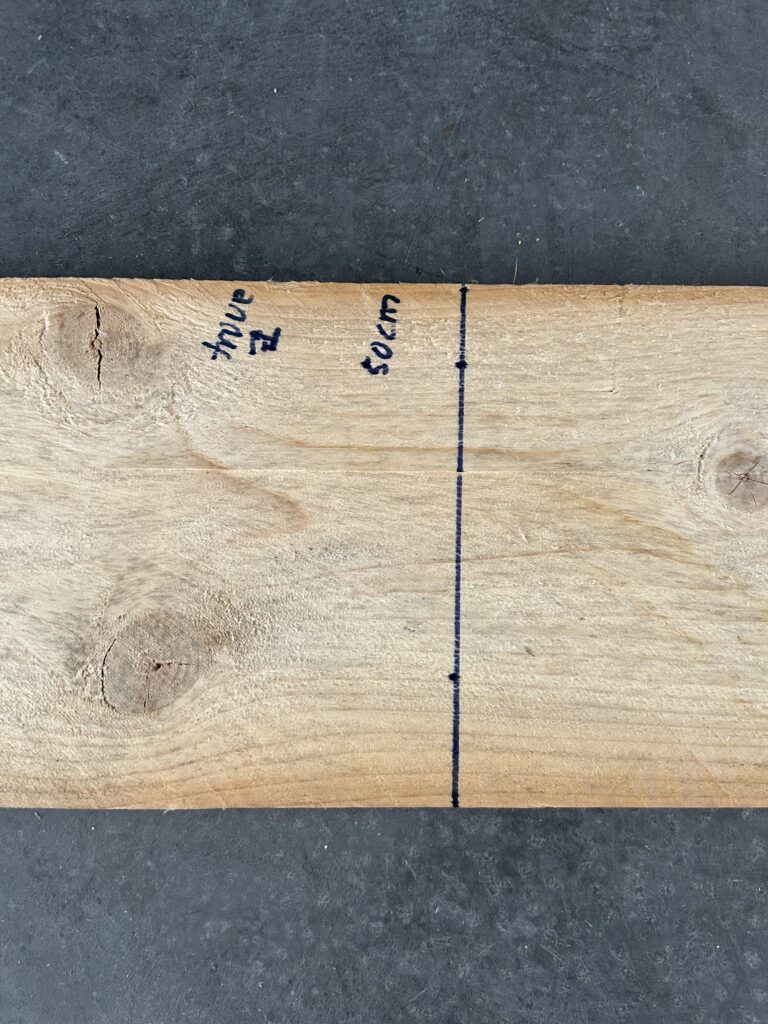
The civil engineering work also included the design and assembly of wooden formwork used to shape the concrete foundations. The formwork was built from timber panels cut and assembled with precise dimensions to ensure accurate footing geometry and alignment. Measurement markings were carefully applied to control depth and positioning, allowing correct placement of reinforcement cages before pouring the concrete. This step was essential to guarantee dimensional accuracy, proper concrete containment, and overall structural quality of the foundations once cured.


Implementation and Installation

The installation phase consisted of assembling the photovoltaic system on the prepared foundations and integrating the electrical architecture. The supporting structure was mounted and aligned to ensure correct orientation and mechanical stability before installing the photovoltaic modules. Electrical wiring was then carried out on both the DC and AC sides, including string connections, protective devices, and routing of cables toward the electrical cabinet. Particular attention was given to compliance with safety standards, cable management, and grounding to ensure reliable operation. This phase concluded with a full verification of mechanical mounting and electrical continuity in preparation for system commissioning.


Commissioning and Inverter Setup

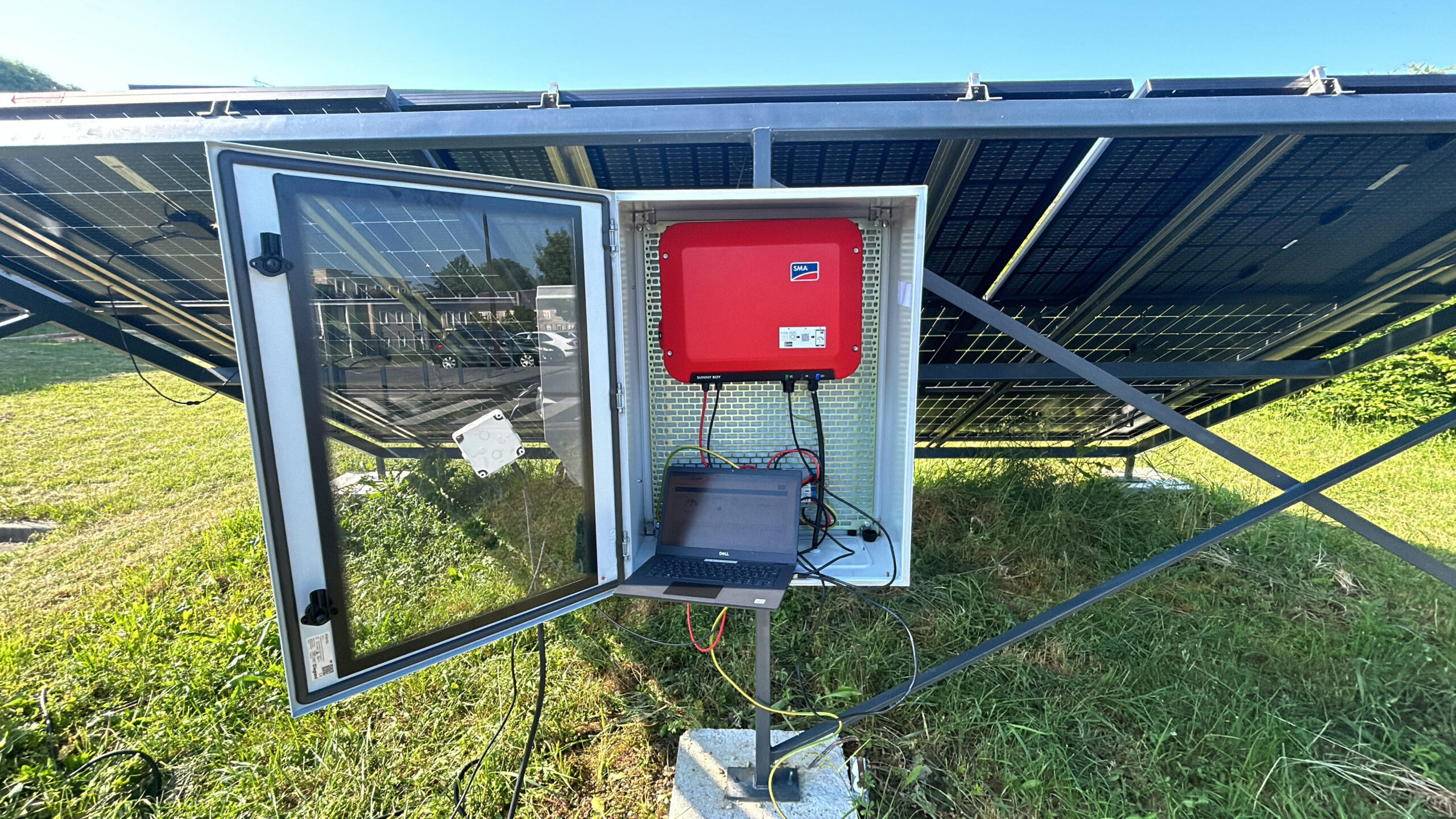
The final phase of the project consisted of commissioning the photovoltaic system, with a specific focus on the inverter. This included configuring the inverter in accordance with grid requirements, verifying wiring and protection devices, establishing communication interfaces, and enabling system supervision. The successful commissioning confirmed the ability of the installation to inject electricity into the public distribution network under normal operating conditions.


Technical Skills

Photovoltaic System Design
Electrical Power Systems
Standards & Regulatory Compliance
Comissioning
CAD
Project Management